The Sanctuary
The Organ
Barn.
A 1910 barn. An 1872 pipe organ. And the tones that have been waiting between them for over a century.
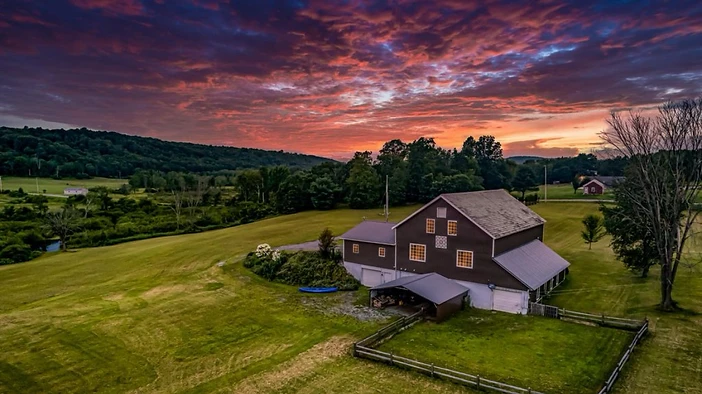
Est. 1910
The Barn.
Built in 1910, the barn has stood for more than a century — its hand-hewn timber frame weathered by generations of seasons before it ever held a single tone. Once a working structure on the land, it has been carefully restored and opened as a sanctuary: a place where the old wood still keeps the silence, and the sound fills in around it.
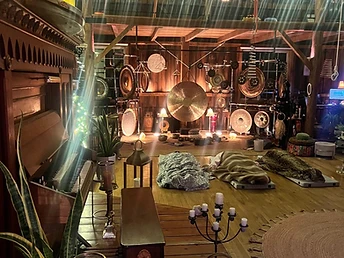
The space itself is part of the medicine. High ceilings let the overtones rise and hang in the air; the dense timber walls hold the resonance the way a cathedral holds a choir — warm, patient, and close. There is no stage here, no separation between the instruments and the people who come to listen. Only the floor, the candlelight, and the long, slow breath of the building.
To lie down inside it is to be held by something older than the music — a room that has been quietly waiting to sing.


Alexander Mills · 1872
The Pipe Organ.
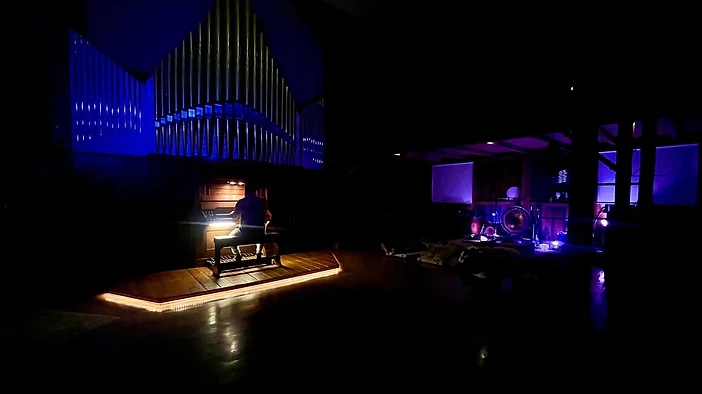
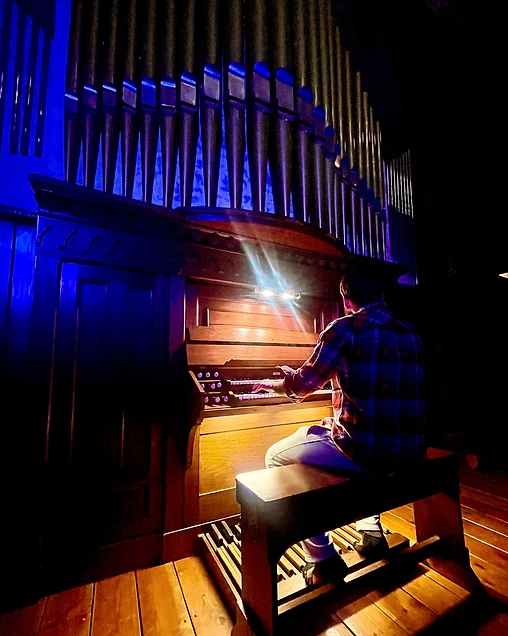
At the heart of the barn stands an Alexander Mills pipe organ, built in 1872 — an instrument already more than fifty years old when the barn itself was raised. Its pipes predate electric amplification, electric light, and the modern age of recorded sound. They were made to fill a room the old-fashioned way: with air, brass, and wood, pushed by human breath through a labyrinth of valves.
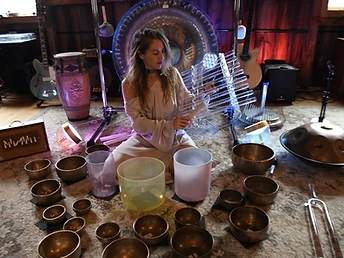
An instrument of this age carries its own voice — a foundational tone the gongs and bowls gather around. The organ's low pedal notes move through the floor as much as the air, a presence felt before it is heard, rooting the lighter frequencies of the sound bath in something deep and immovable.
Two centuries of craftsmanship meet in a single session: a barn that learned to hold sound, and an organ that finally found a room worthy of it.

“New sounds. Old tones.”